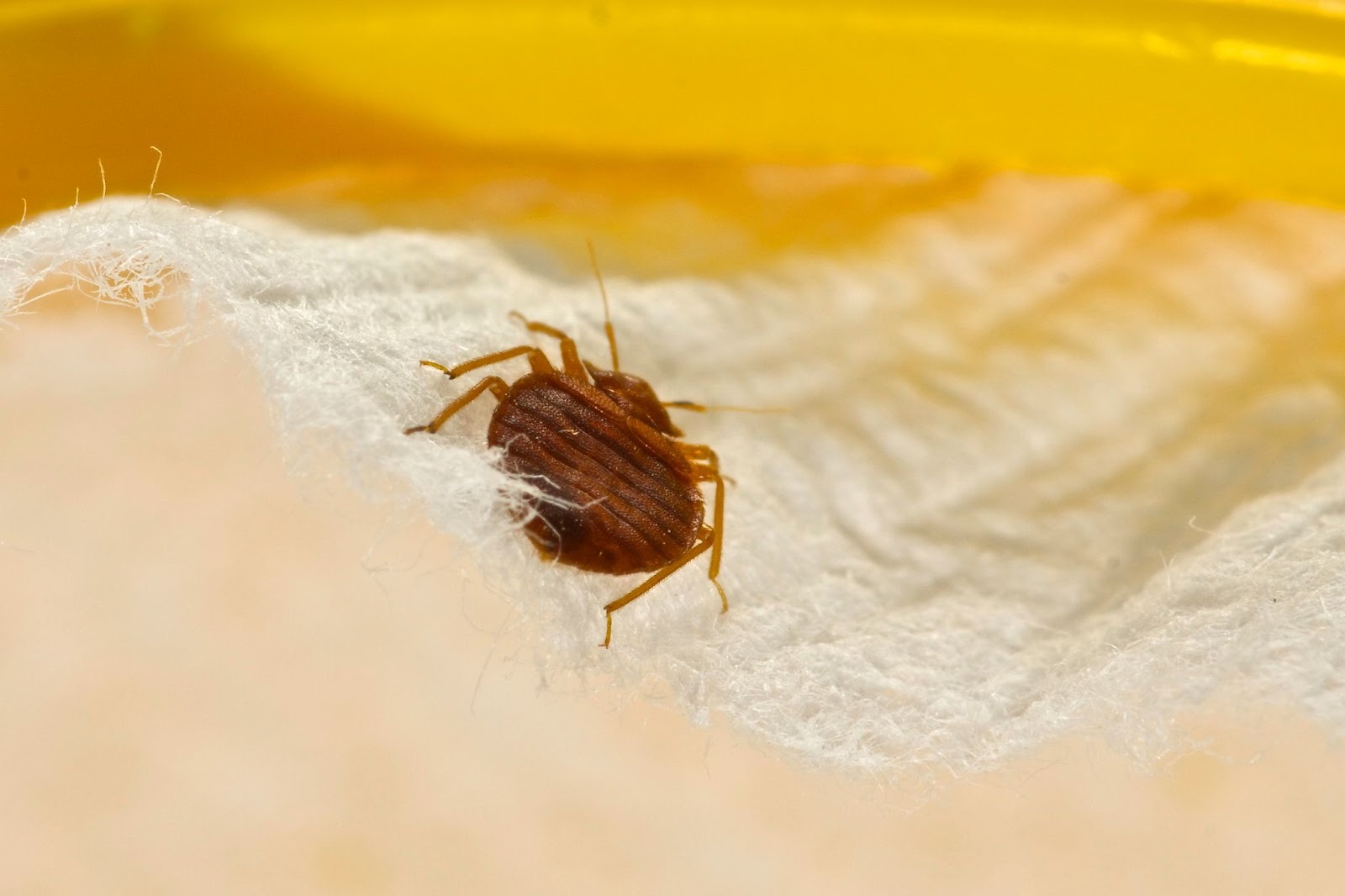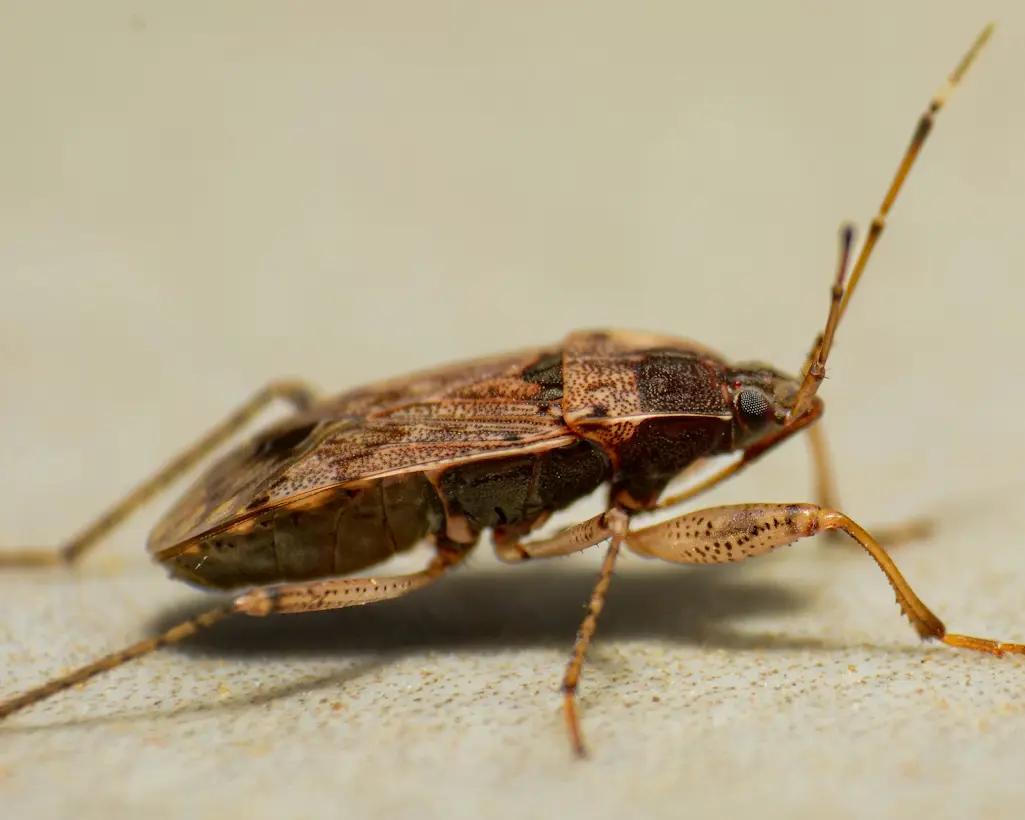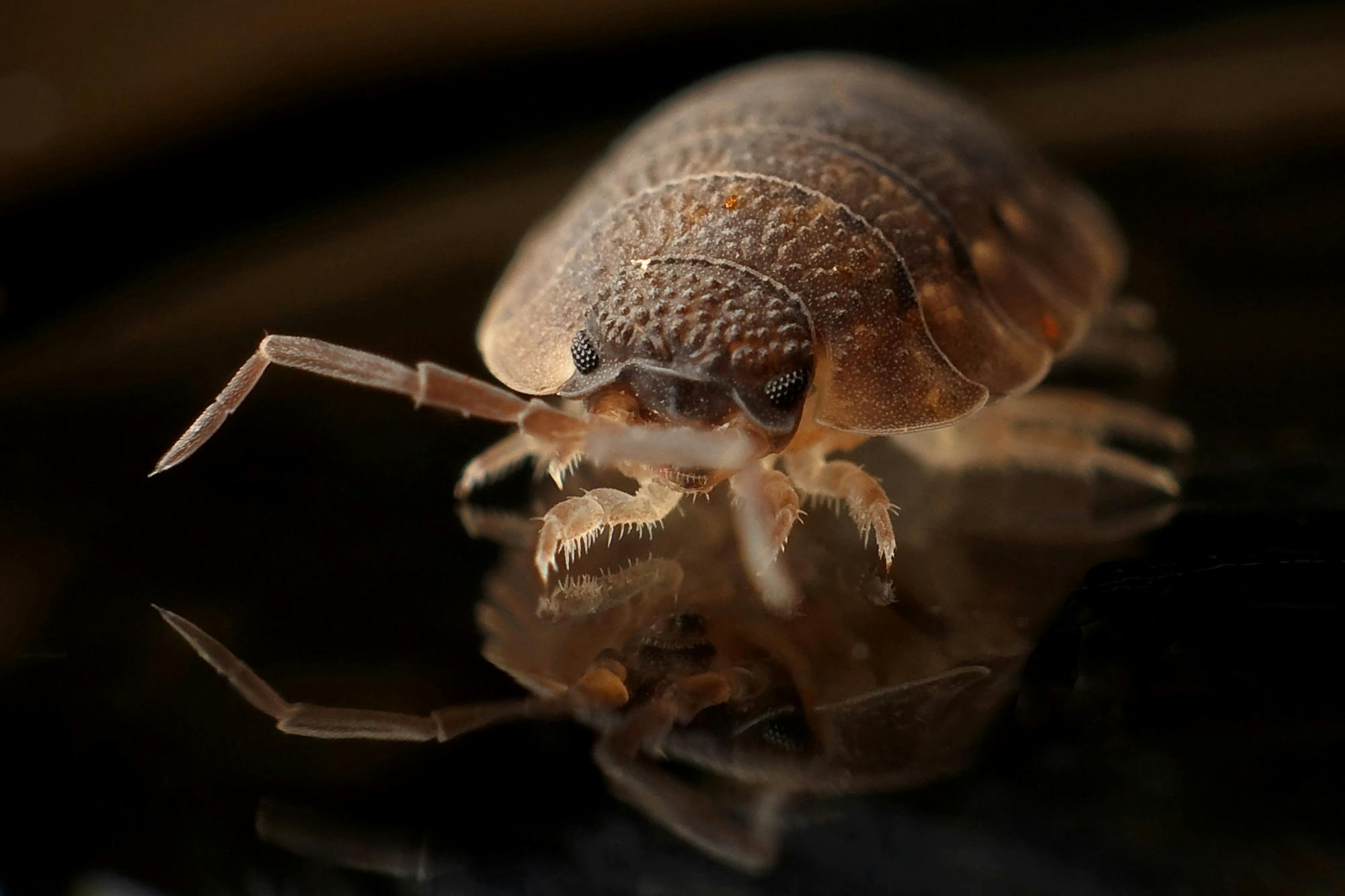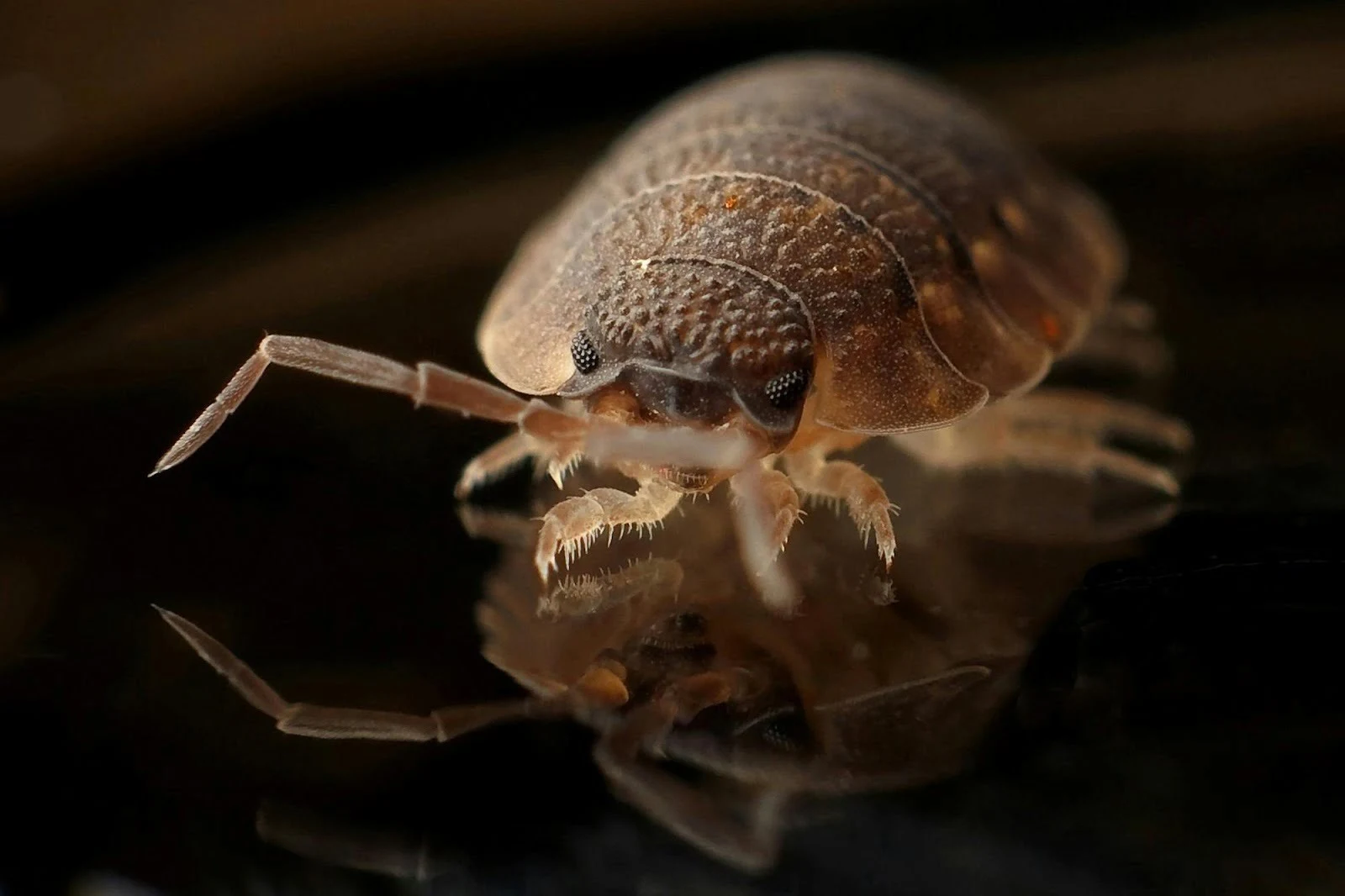
It’s not uncommon for bed bug infestations to seemingly appear out of nowhere. However, in reality, bed bugs don’t simply show up at random. They’re drawn to specific environments conducive to their survival. It just so happens that there’s a lot of overlap between what attracts bed bugs and the conditions present in most people’s homes.
But that doesn’t mean that preventing bed bugs from taking root is impossible. By knowing more about what bed bugs are attracted to, you can arm yourself with all the tools you need to prevent them from entering your home in the first place.
How Do Bed Bugs Find Their Way Into Your Space?
What Are Bed Bugs Attracted To in the First Place?
Bed bugs are attracted to environments that give them the best chance for survival, including anywhere with excess warmth, carbon dioxide, and access to plenty of hiding spots. They particularly love soft surfaces and tight crevices that allow them to stay close to their food sources without having to worry about anyone disturbing them.
If you haven’t noticed, all of these things are generally quite plentiful in most homes, which is why they tend to pop up in all sorts of living spaces, especially bedrooms.
What Attracts Bed Bugs to Humans?
A big part of understanding what attracts bed bugs to humans is recognizing how they detect us in the first place. Bed bugs feed on blood, but it’s not necessarily the scent of blood that they follow.
Instead, they seek us out by sensing the carbon dioxide we exhale and the heat our bodies produce, as both of these are clear signs that something that has blood to feed off is nearby.
The important thing to remember is that bed bugs are not attracted to dirt, mold, or poor hygiene. They are simply looking for consistent access to a host, which is why even the cleanest homes can still have problems with infestations.
Mistake #1: Bringing in Secondhand Furniture Without Inspection
One of the most common answers to what attracts bed bugs into a home doesn’t really have anything to do with attraction at all. In many cases, it’s the owner of the home who brings the bed bugs in with them.
Anything from secondhand sofas and mattresses to curtains and other décor can carry bed bugs and their eggs without any obvious visible signs.
How We Help You Avoid This Problem
We always recommend taking a close look at any used item before bringing it indoors. If you’re uncertain and simply must add that new piece of furniture to your home, our K9 bed bug inspections are quick, easy, and can offer you the clarity you need to add that new piece of furniture with confidence.
Mistake #2: Ignoring Clutter Around Sleeping Areas
Clutter plays a major role in attracting bed bugs because they see clutter as a comfy, new place to hide. Once they’re inside your home, the more hiding spots there are, the easier it is for them to settle in and spread.
Piles of clothing, stacked boxes, and crowded furniture all create the perfect environment for bed bugs to stay safe and out of view, making it a lot less likely that you’ll be able to detect the problem early.
How to Reduce Risk Through Better Organization
The best defense against bed bugs is always not letting them in to begin with. However, keeping your living space tidy and organized can drastically reduce the number of places they can hide.
If they do happen to get in, keeping a cleaner, more open environment will also make it a lot easier to spot the early warning signs so that you can take action as quickly as possible.
Mistake #3: Skipping Routine Inspections After Travel
Travel is easily one of the most common ways that bed bugs can get into your home. Even the most luxurious hotels and modes of transportation are not immune to the occasional infestation, and every time you travel, it increases your chances of exposure.
Bed bugs have no problem attaching themselves to luggage, clothing, and other personal items, and without proper precautions, they will travel back with you and settle into your space.
What to Do When You Return Home
After traveling, it’s always important to inspect your luggage and wash clothing as soon as you get home. Though it may seem trivial, paying attention to these fine details can go a long way to reducing the risk of bringing these unwanted pests indoors.
If something feels off, a quick professional inspection can help you take action early and prevent what’s initially a small problem from becoming a much larger one.
Mistake #4: Waiting Too Long to Address Early Signs
Another big mistake that people make is waiting too long to address the signs of infestation early. Bed bugs won’t wait around until you’re ready to deal with them, and the more time they have to spread, the bigger the problem will be.
Signs You Shouldn’t Ignore
The first signs of bed bug infestation are often quite subtle and can be hard to catch. However, if you notice small bite patterns, tiny stains on bedding, or any unusual odors, these are all signs that you need to schedule a bed bug inspection and removal as soon as you can.
Mistake #5: Trying Ineffective DIY Treatments
It’s not uncommon for homeowners to turn to store-bought solutions when trying to eliminate bed bugs. The problem is that most DIY methods simply aren’t very effective. Though they might kill some, more often than not, the infestation returns after a few days or weeks.
What We Know Works
Our eco-friendly heat treatments eliminate bed bugs in all life stages in a single day. This process penetrates deep into furniture and hidden areas, providing a complete solution without damaging any of your belongings.
Contact EasyPM Today
Are you dealing with a bed bug problem? Do you want to know what you can do to prevent them from showing up again in the future? Give us a call.
Our team of local bed bug experts is always here to answer questions and will happily tell you more about what attracts bed bugs and how we can help you remove infestations and prevent bed bugs from taking root in the first place. We even offer free estimates to help get the ball rolling.
Don’t let bed bugs ruin the safety and comfort you feel in your own home. Contact EasyPM today.